
Have you ever begun working on something only to look at your phone a few minutes later?. Read the same paragraph multiple times without remembering what it said?
Finding it hard to stay focused has become a part of daily life. We switch between messages, social media, work, entertainment and other tasks throughout the day. At the time sleep patterns eating habits, physical activity and stress levels can impact how we feel and how we perform.
The good news is that focus is affected by daily habits and small changes in lifestyle can help support better focus and overall brain wellness.
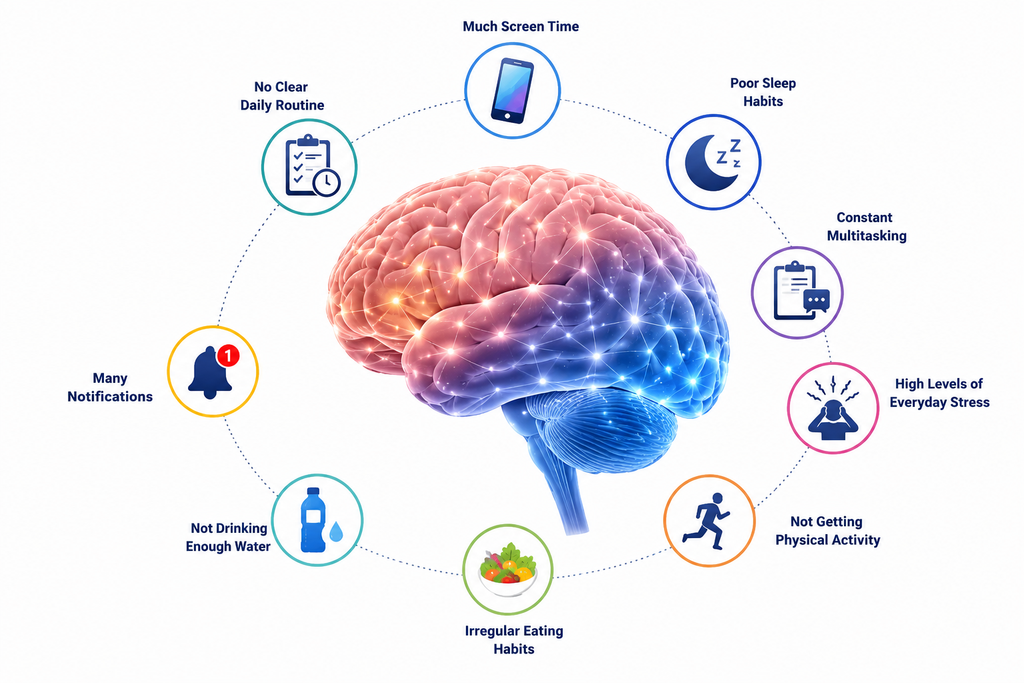
Here are 10 lifestyle factors worth examining if you’re struggling to focus.
1. Much Screen Time
Smartphones, computers and other digital devices are now part of everyday life. Although technology is helpful spending periods switching between apps, videos, messages and websites can make it hard to stay focused on one task.
Frequent digital interruptions can also create a habit of looking for something new to see.
Try this:
Set times for checking messages and social media instead of checking them all the time during the day.
2. Poor Sleep Habits
Sleep is closely tied to attention, memory and mental performance.
Going to bed at times getting too little sleep or using devices late at night can lead to feeling tired and less alert the next day.
A regular sleep and wake schedule can be a way to support better daily focus.
Try this:
Make a relaxing bedtime routine. Keep your sleeping schedule as consistent as possible.
3. Constant Multitasking
Multitasking may feel like it helps. Switching between tasks often makes it harder to give any one activity full attention.
For example answering messages while working watching videos while eating or switching between browser tabs can break your focus.
Try this:
Pick one task and work on it without unnecessary interruptions for a set time.
4. High Levels of Everyday Stress
When you are handling responsibilities, deadlines or personal concerns it can be difficult to concentrate.
Stress can take up your attention even when you are trying to focus on something
Simple methods like breathing, walking, meditation or spending quiet time away from screens can help support overall wellness.
Try this:
Take breaks during the day instead of working nonstop for hours.
5. Not Getting Physical Activity
A sedentary lifestyle can affect overall physical and mental health.
Regular movement, such as walking, stretching, cycling or other enjoyable activities can be part of a brain- lifestyle.
You don’t need a workout. Consistent daily movement is better.
Try this:
Take a 10to15 minute walk during a break or add short movement sessions throughout your day.
6. Irregular Eating Habits
Skipping meals or relying on processed foods can make it harder to keep energy steady throughout the day.
A balanced eating pattern that includes vegetables, fruits, whole grains, protein sources and healthy fats can support nutritional wellness.
Try this:
Plan balanced meals instead of skipping meals because you’re busy.
7. Not Drinking Enough Water
Staying hydrated is another part of daily wellness. Not drinking fluids can cause tiredness or discomfort which may make it harder to stay productive.
Keep water around during the day. Drink regularly based on your needs.
Try this:
Keep a water bottle near your workspace as a simple reminder.
8. Many Notifications
A phone notification may only take a few seconds to check but getting back to the original task can take longer.
Frequent notifications from media, shopping apps, email and messaging platforms can create unnecessary distractions.
Try this:
Turn off notifications and use “Do Not Disturb” or focus modes when working.
9. No Clear Daily Routine
When every day has a different schedule it can be harder to build consistent habits.
A simple routine can help you decide when to work, exercise, eat relax and sleep.
You don’t need to plan every minute. Even a basic structure can make your day feel more organized.
Try this:
Set three priorities:
- One important. Study task
- One physical activity
- One. Personal activity
10. Not Giving Your Brain Enough Breaks
Trying to focus for a time without a break is not always effective.
Short breaks can let you stand up stretch, drink water walk or step away from your screen.
Of waiting until you are completely tired consider taking brief breaks during your work or study session.
Try this:
Work for an amount of time then take a short break before going back to the task.
How to Improve Focus Naturally
You don’t need to change your lifestyle overnight. Start with a simple changes.
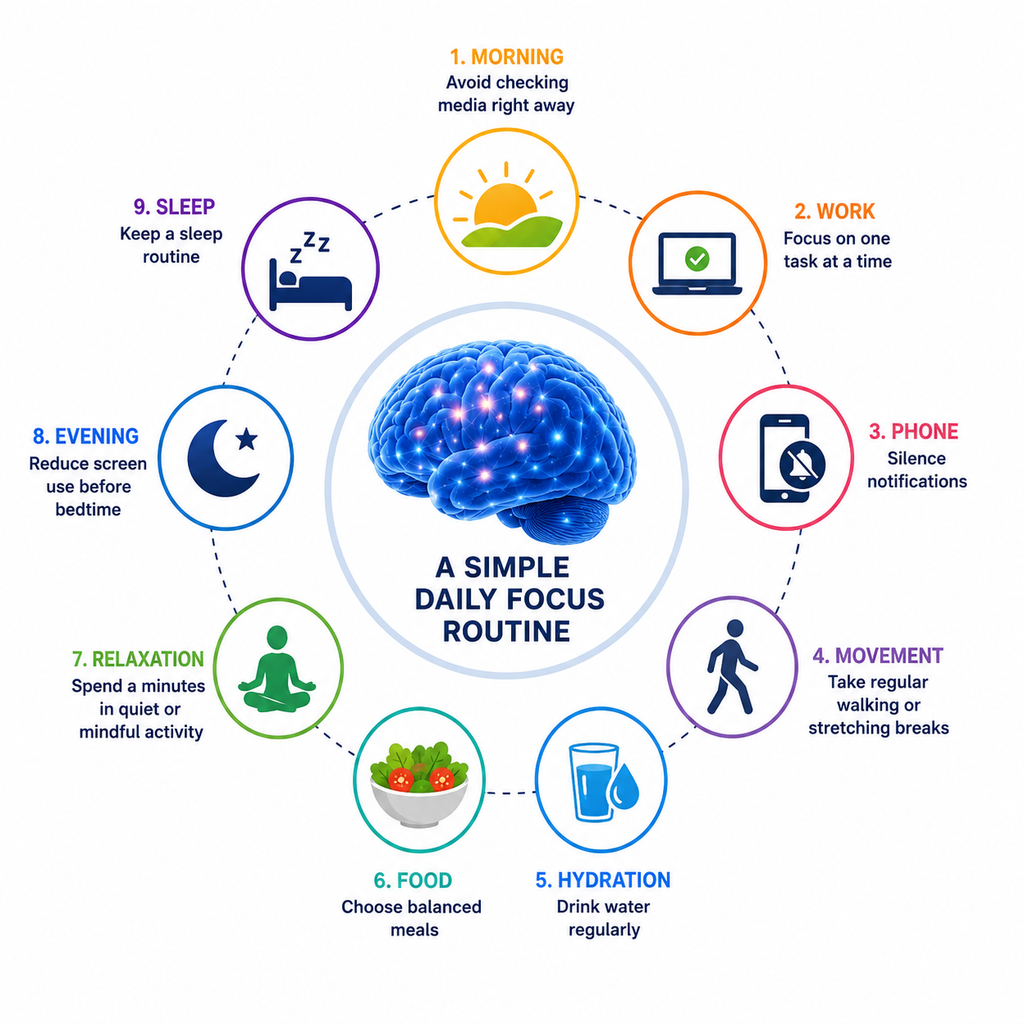
A simple daily focus routine
🌅 Morning Avoid checking media right away.
💻 Work Focus on one task at a time.
📱 Phone Silence notifications.
🚶 Movement Take regular walking or stretching breaks
💧 Hydration Drink water regularly
🥗 Food Choose balanced meals
🧘 Relaxation Spend a minutes in quiet or mindful activity
🌙 Evening Reduce screen use before bedtime
😴 Sleep Keep a sleep routine
Ayurveda and Focus: A Traditional Perspective
Ayurveda has long emphasized routines, balanced living, enough rest, mindful practices and proper nutrition as part of overall wellness.
Certain plants, such as “Brahmi and Shankhpushpi” have been traditionally used in Ayurveda in connection with cognitive wellness. However traditional use should not be seen as proof that an herb can treat a condition or guarantee better focus.
For people interested in Ayurvedic wellness these traditional practices can be considered along with lifestyle habits.
When Difficulty Focusing May Need Professional Help
Distraction is normal. However lasting or serious difficulty concentrating can have many possible causes.
If concentration problems are severe a long time interfere with work or studies or happen with other troubling symptoms consider talking to a qualified healthcare professional instead of thinking they are just from lifestyle.
Final Thoughts
Modern life offers information, entertainment and digital stimulation than ever before. It’s natural that maintaining attention can sometimes feel difficult.
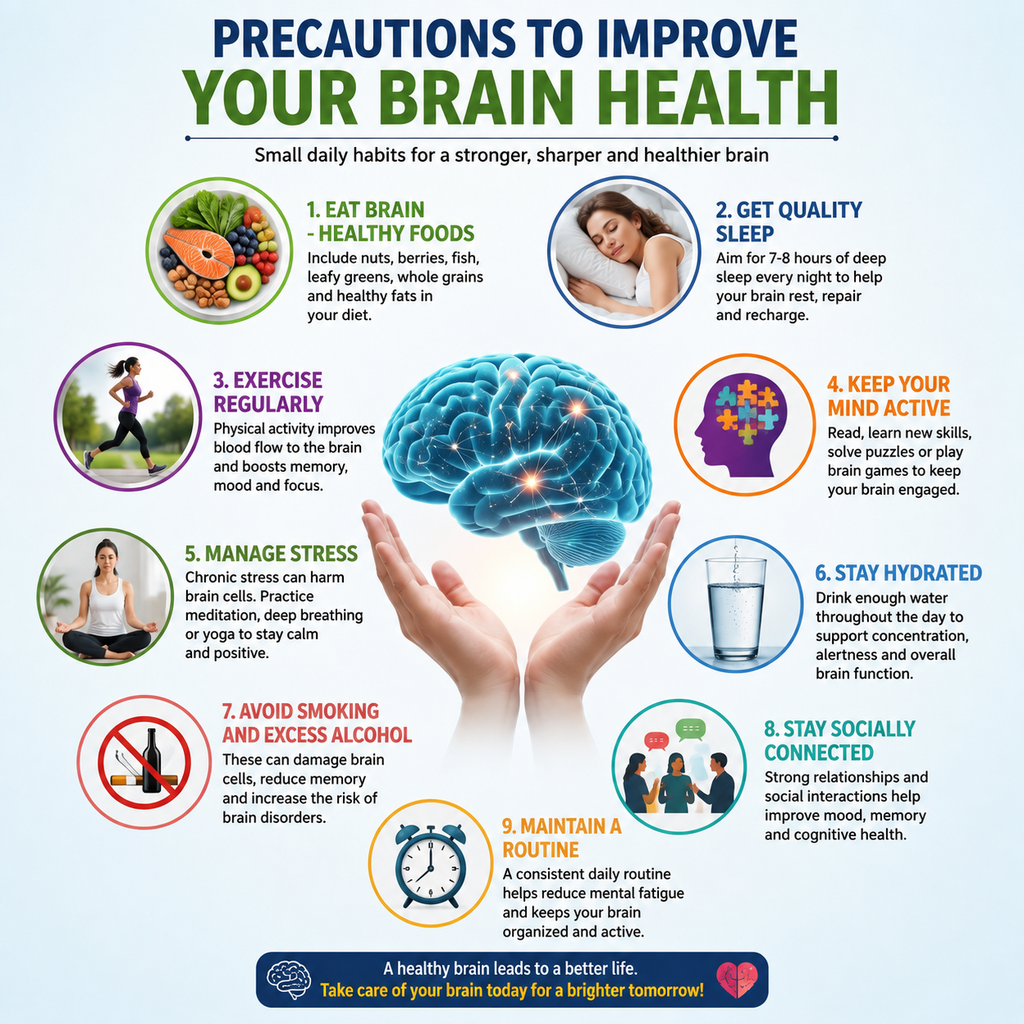
Of looking for one quick fix think about the bigger picture: sleep, screen habits, stress, physical activity, nutrition, hydration, multitasking and daily routines can all be part of your overall wellness.
Start with one or two changes and build from there. Consistent habits are usually easier to keep than changes all at once.
Frequently Asked Questions
1. Why is it so hard to focus?
distractions, constant notifications, too much screen time, bad sleep, stress and changing routines can all make it hard to stay focused.
2. How can I improve my focus naturally?
Start with sleep regular physical activity, balanced meals staying hydrated reducing digital distractions and taking regular breaks.
3. Does screen time affect concentration?
Heavy or distracting screen use can make it more challenging to stay focused especially when it involves switching between content and alerts.
4. How Can lack of sleep effect focus?
Yes. Not enough or poor-quality sleep can impact alertness, attention and other parts of brain function.
5. Does exercise help with focus?
Regular physical activity supports health and can be a useful part of a healthy lifestyle.
6. Can stress make it hard to concentrate?
Yes. When your attention is taken up by stress or worries it can be harder to focus on other tasks.
7. Are there herbs traditionally used for focus?
Yes. Herbs, like Brahmi and Shankhpushpi have been used in Ayurveda for cognitive wellness. Their use should be approached carefully. Should not replace professional medical advice.
8. How can I reduce distractions while working?
Silence alerts, try to keep your phone out of reach when you can don’t do too many things at once and set aside time just for working with full attention.
9. How long should I focus before taking a break?
There is no best time frame that works for everyone. Try working for a while without distractions then take a break. Keep changing the time based on what works for you.
10. When should I talk to an expert about trouble focusing?
If you have trouble concentrating that lasts a time gets worse or makes it hard to do normal things it might be a good idea to talk to a trained doctor or health professional.