
Brain Fog: Common Lifestyle Factors That May Affect Mental Clarity
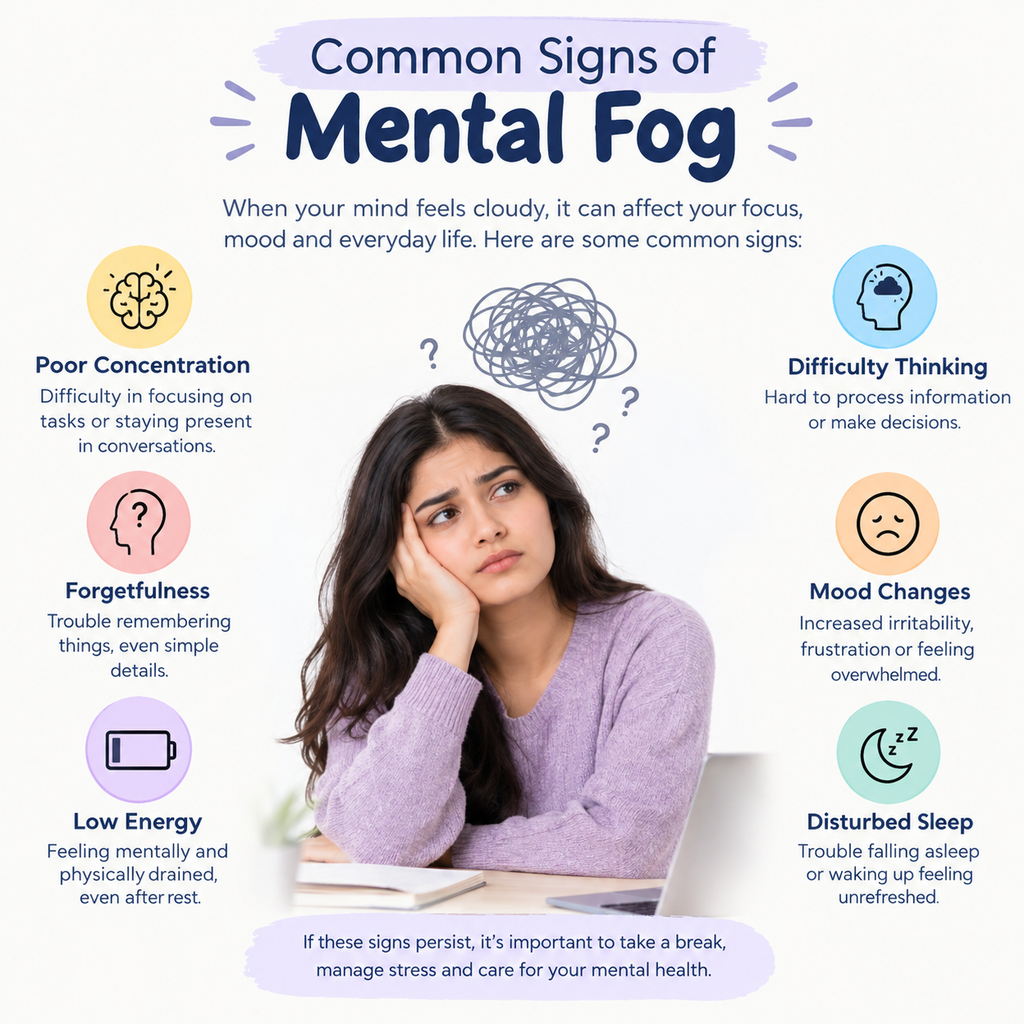
Have you ever opened your laptop and forgotten what you were about to do? Or perhaps you walked into a room and suddenly couldn’t remember why you went there. Maybe you are reading the same paragraph repeatedly, but the information simply doesn’t seem to stay in your mind. Many people describe these experiences as brain fog. It can feel as though a thick cloud has settled between you and your thoughts, making concentration, memory, decision-making, and mental energy feel harder than usual.
Brain fog is not a sign that someone is unintelligent or lazy. It is a commonly used term for a collection of symptoms that can affect how clearly a person thinks, remembers, focuses, and processes information. Daily lifestyle habits can sometimes play an important role. Sleep, stress, nutrition, hydration, physical activity, and digital habits can all influence how mentally alert a person feels during the day.
The good news is that everyday habits are often adjustable. You cannot always control every source of stress or fatigue, but you can pay attention to patterns. Sometimes mental clarity is less about finding one magical solution and more about identifying several small habits that may be quietly draining your mental energy.
What Is Brain Fog?
Brain fog is a general term used to describe symptoms that affect cognitive function. A person experiencing brain fog may find it difficult to concentrate, remember information, organize thoughts, pay attention, or process information as quickly as usual. It may also feel like mental exhaustion, confusion, forgetfulness, or losing your train of thought during a conversation.
Think of your brain like a busy computer. When too many programs are running at once, the system may become slower. Brain fog can feel somewhat similar. The mind may still be functioning, but concentration and mental processing can feel less efficient. Cleveland Clinic describes brain fog as a group of symptoms affecting the ability to think clearly, focus, concentrate, remember, and pay attention.
Common Signs of Mental Fog
Brain fog can look different from one person to another. Some people notice that they become easily distracted during work or study. Others may struggle to remember names, appointments, or small details that they would normally recall. Slow thinking, difficulty finding the right words, mental fatigue, and trouble following instructions are also commonly reported experiences.
These symptoms can be frustrating because they often affect ordinary activities. A person may need more time to complete familiar tasks or may feel mentally tired after relatively simple work. The experience can be temporary, but persistent or worsening symptoms deserve attention.
Brain Fog Is Not a Medical Diagnosis
One important point is that brain fog itself is not a medical diagnosis. It is a description of how someone feels mentally. Many different factors can contribute to it, including lifestyle habits, stress, poor sleep, nutritional issues, hormonal changes, medications, infections, and certain underlying health conditions.
That is why it is useful to avoid assuming that every episode of mental fog has the same cause. Lifestyle improvements may help support overall wellness and mental clarity, but persistent or significant symptoms should not automatically be dismissed as simply being tired.
Why Lifestyle Habits Can Influence Mental Clarity
Your brain does not work separately from the rest of your daily routine. The quality of your sleep can affect your energy. Stress can influence your sleep and eating habits. A sedentary lifestyle can reduce movement opportunities, while constant screen exposure may encourage mental overload. These factors can overlap and create a cycle.
For example, imagine someone sleeping poorly, skipping breakfast, sitting for most of the day, and checking notifications every few minutes. None of these habits necessarily guarantees brain fog on its own. Together, however, they may make it more difficult to maintain consistent energy and concentration.
The Connection Between Daily Habits and Brain Function
Healthy routines involving sleep, movement, balanced nutrition, and stress management are widely associated with supporting brain health. Regular physical activity can support thinking, learning, memory, emotional balance, and sleep. Even short periods of movement may provide benefits for cognitive function.
The key idea is consistency. One healthy meal or one early bedtime may not instantly transform mental clarity. Brain health is influenced by patterns over time, much like physical fitness.
Poor Sleep and Mental Clarity
Sleep is one of the most important foundations of mental performance. When sleep is disrupted or consistently insufficient, many people notice that attention, patience, memory, and concentration become more difficult.
Recent guidance from sleep experts emphasizes that poor sleep can make it harder to think clearly and focus on everyday tasks. Over time, chronic lack of quality sleep may also affect memory and problem-solving.
How Inconsistent Sleep May Affect Focus
It is not only the number of hours that can matter. An inconsistent sleep schedule can also disrupt your daily rhythm. Sleeping very late on some nights and waking early on others may leave you feeling as though your brain never settles into a predictable routine.
Try treating sleep as an appointment with yourself. Going to bed and waking up at relatively consistent times may help create a more stable routine. Reducing phone use before bed, limiting stimulating activities late at night, and creating a calm sleeping environment may also support better sleep habits.
Chronic Stress and Brain Fog
Stress is a normal part of life. Short-term stress can sometimes help people respond to challenges. Chronic stress, however, may affect concentration and mental clarity.
Recent expert guidance from Cleveland Clinic notes that prolonged stress can affect memory, make concentration more difficult, and contribute to feelings commonly described as brain fog. Stress can also interfere with sleep, nutrition, and physical activity, creating a cycle that may further affect overall wellness.
Why Mental Overload Can Make Thinking Feel Harder
Imagine carrying a backpack all day. At first, the weight may seem manageable. But if someone keeps adding books without removing anything, eventually the load becomes exhausting. Mental overload can feel similar.
Constant deadlines, notifications, worries, and responsibilities can consume attention. Taking regular breaks, practicing relaxation techniques, spending time outdoors, exercising, or doing enjoyable activities may help support stress management and overall wellness. These strategies are not a cure for every cause of brain fog, but they can support a healthier daily rhythm.
Lack of Physical Activity
Modern routines often involve long periods of sitting. Work, studying, commuting, entertainment, and social media can all happen while sitting still. The body may become inactive even when the mind feels busy.
Regular physical activity supports more than muscles and cardiovascular health. The CDC states that physical activity can help people think, learn, problem-solve, improve memory, and support emotional balance.
How Movement Supports Brain Health
Movement does not need to mean spending hours in a gym. Walking, cycling, dancing, gardening, swimming, and many other activities can contribute to an active lifestyle.
A practical approach is to reduce long, uninterrupted periods of sitting. Taking a short walk, stretching between tasks, or choosing stairs when appropriate can help introduce more movement into the day. The goal is not perfection. It is building a routine that you can realistically maintain.
Dehydration and Difficulty Concentrating
Water is easy to overlook when life gets busy. Some people drink coffee or tea throughout the day but forget to drink enough fluids. Others simply do not notice thirst until they already feel tired.
Hydration plays a role in how the body and brain function. Cleveland Clinic notes that dehydration can be associated with cognitive impairment, brain fog, and sleep-related difficulties, and that maintaining adequate hydration supports clear-headed functioning.
Why Hydration Matters for Cognitive Function
There is no single water target that is perfect for every person. Individual needs can vary depending on body size, climate, activity level, diet, and other factors.
A simple strategy is to pay attention to your routine. Keep water accessible, drink regularly throughout the day, and adjust fluid intake according to your environment and activity. If you have a health condition that affects fluid intake, follow guidance from your healthcare professional.
Poor Nutrition and Irregular Eating Patterns
The brain requires energy and nutrients to support normal function. Extremely restrictive eating patterns, poor nutritional quality, or regularly skipping meals may contribute to fluctuations in energy and concentration for some people.
Balanced meals do not have to be complicated. A practical plate may include vegetables or fruits, a source of protein, whole grains or other carbohydrate sources, and healthy fats. The exact dietary pattern can vary according to culture, preferences, budget, and individual health needs.
Skipping Meals and Energy Fluctuations
Busy schedules often lead people to delay meals. Someone may work through lunch, drink multiple cups of caffeine, and suddenly realize late in the day that they have barely eaten.
For some people, irregular eating can contribute to feelings of low energy or difficulty concentrating. Planning simple meals and snacks may help create a more stable routine. Instead of chasing a perfect diet, focus on regular, nourishing meals that are realistic for your lifestyle.
Excessive Screen Time and Information Overload
Digital technology has made information available almost instantly. That convenience can also create a constant stream of messages, videos, emails, advertisements, and notifications.
Your brain may have difficulty resting when attention is constantly being redirected. Jumping from social media to work emails to videos can make the day feel mentally crowded.
Creating boundaries around technology may help support mental clarity. Consider setting periods when notifications are silenced or keeping the phone away during focused work.
Multitasking and Constant Digital Distractions
Many people believe multitasking makes them more productive. In reality, constantly switching attention between tasks can make focused work feel harder.
If you are writing an email while checking messages and listening to a video, your attention is repeatedly being redirected. That mental switching can leave you feeling busy without feeling productive.
Try single-tasking for short periods. Choose one important task, remove obvious distractions, and work on it for a defined period before taking a break.
Lack of Mental Breaks
A common mistake is waiting until exhaustion before resting. But mental breaks can be useful before fatigue becomes overwhelming.
Short breaks may include walking, stretching, listening to music, breathing exercises, or simply stepping away from a demanding task. Cleveland Clinic experts recommend regular mental breaks as part of managing stress and mental fatigue.
Your brain is not a machine that benefits from being pushed continuously without recovery. Rest can be part of productive work rather than the opposite of it.
Alcohol, Smoking, and Other Lifestyle Habits
Some lifestyle habits can affect sleep, hydration, mood, and concentration. Smoking and vaping have also been discussed as potential contributors to self-reported difficulties involving concentration and memory.
Alcohol can also disrupt sleep and affect mental performance, particularly when consumed in ways that interfere with healthy routines. Supporting brain health often means looking at the overall pattern rather than focusing on one habit in isolation.
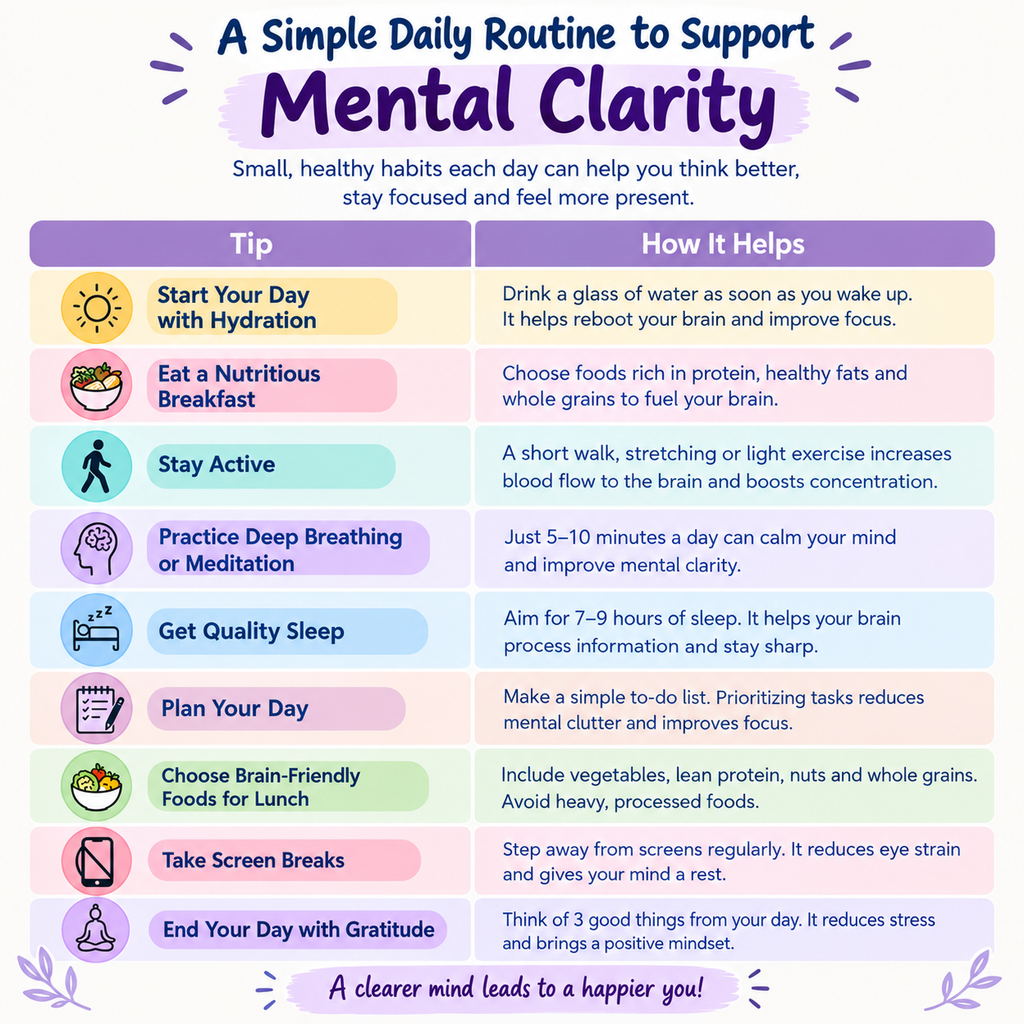
A Simple Daily Routine to Support Mental Clarity
You do not need an extreme lifestyle transformation. Start with manageable habits:
| Daily Area | Simple Habit |
| Sleep | Maintain a relatively consistent sleep and wake schedule |
| Hydration | Keep water available throughout the day |
| Movement | Add walking or other enjoyable physical activity |
| Food | Eat regular, balanced meals |
| Stress | Include time for relaxation or enjoyable activities |
| Focus | Work on one task at a time when possible |
| Screens | Take regular breaks from notifications and digital content |
| Recovery | Include short mental breaks during demanding days |
Small habits may not produce immediate dramatic changes, but consistency can support overall wellness.
When Persistent Brain Fog Should Be Discussed With a Healthcare Professional
Lifestyle factors are only one part of the picture. Persistent brain fog can sometimes be associated with medications, sleep disorders, nutritional deficiencies, hormonal changes, mental health concerns, infections, or other health conditions.
Consider speaking with a qualified healthcare professional if mental fog is persistent, worsening, significantly affecting work or daily activities, or accompanied by other concerning symptoms. A healthcare professional can help identify possible underlying factors rather than assuming lifestyle habits are the only explanation.
Frequently Asked Questions
1. Can poor sleep cause brain fog?
Poor or insufficient sleep may make it harder to focus, think clearly, remember information, and solve problems. Consistent, quality sleep supports normal brain function.
2. Can dehydration affect concentration?
Yes, inadequate hydration may affect cognitive function and contribute to feelings such as fatigue or brain fog. Staying adequately hydrated may help support mental clarity.
3. Does exercise support mental clarity?
Regular physical activity supports brain health and may help thinking, learning, memory, and emotional balance.
4. Can stress make brain fog worse?
Chronic stress can affect concentration and memory and may contribute to feelings commonly described as brain fog. Stress can also affect sleep and other lifestyle habits.
5. How long can brain fog last?
The duration can vary depending on the contributing factors. Temporary lifestyle-related fatigue may improve when routines change, while persistent or worsening symptoms should be discussed with a healthcare professional.