
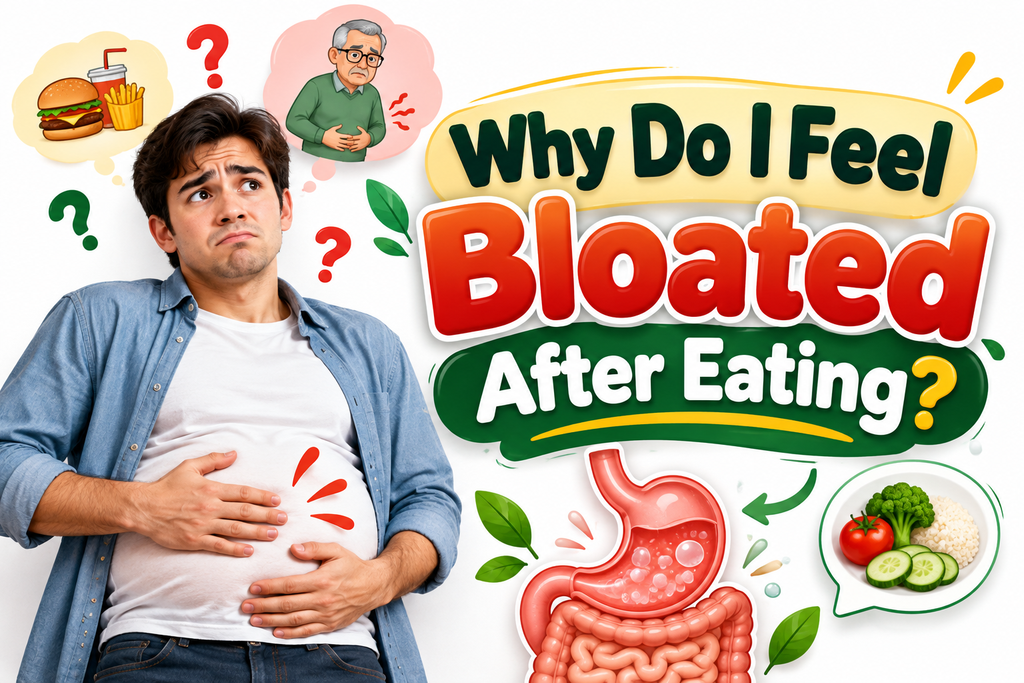
Feeling unusually full, tight or uncomfortable after eating is a common experience. Sometimes it happens after a large celebration meal. On other days, even a regular lunch may leave your stomach feeling heavy.
Bloating is not always caused by eating too much. The speed at which you eat, the foods you choose, constipation, swallowed air and certain digestive conditions can all play a role.
Gas normally enters the digestive system when we swallow air and when intestinal bacteria break down certain carbohydrates. Therefore, having some gas is a normal part of digestion. However, frequent or painful bloating deserves attention. The National Institute of Diabetes and Digestive and Kidney Diseases notes that digestive conditions can sometimes make people feel more bloated or affect the movement of gas through the intestines.
Here are nine possible reasons you may feel bloated after eating and some practical habits that could help.
1. You Are Eating Too Quickly
Fast eating does not give your body much time to recognise fullness. It may also make you swallow more air along with your food.
That trapped air can contribute to belching, pressure and a swollen feeling after a meal. Eating quickly can also lead to larger portions because the fullness signal may not have reached your brain yet.
Try taking smaller bites and chewing each bite properly. Put down your spoon occasionally instead of rushing through the entire plate. A meal should feel like a pause in your day, not a race.
2. Your Meal Is Too Large
A very large meal stretches the stomach more than a moderate one. This can create a temporary feeling of tightness, heaviness or fullness.
Large meals containing a lot of fat may be particularly uncomfortable for some people. According to the NIDDK’s dietary guidance, high-fat foods may increase bloating in certain individuals.
You do not necessarily have to eliminate your favourite foods. Begin by reducing the portion and observe how your body responds. Eating a slightly smaller serving and waiting before taking more can make a noticeable difference.
3. You Drink Fizzy Beverages With Meals
Soft drinks, soda and sparkling drinks contain gas. Some of that gas can remain inside the digestive tract and make the stomach feel temporarily expanded.
Drinking them quickly or through a straw may also increase the amount of air you swallow. If you frequently feel bloated, replace fizzy drinks with plain water for several days and note whether your symptoms improve.
This simple comparison can help you identify a trigger without making an unnecessarily restrictive diet.
4. Certain Carbohydrates Produce More Gas
Some carbohydrates are not completely digested in the small intestine. When they reach the large intestine, bacteria break them down and produce gas.
The amount of discomfort varies considerably from person to person. Foods that cause symptoms in one individual may be perfectly comfortable for another.
Commonly reported triggers include beans, lentils, onions, certain vegetables and some milk products. This does not mean these foods are unhealthy or that everyone should avoid them. Many contain valuable nutrients and fibre.
Instead of removing several food groups at once, keep a food-and-symptom diary. Record what you ate, the approximate portion and how you felt over the following few hours.
5. You Increased Fibre Too Quickly
Fibre supports bowel regularity and forms an important part of a balanced diet. Nevertheless, suddenly increasing fibre can produce temporary gas and bloating.
For example, switching overnight from a low-fibre diet to large portions of salads, beans, fruits and bran may be difficult for your digestive system.
Increase fibre gradually and drink sufficient water. The NIDDK recommends adding fibre slowly because too much at once may trigger gas and bloating, particularly in people with irritable bowel syndrome.
6. Constipation May Be Contributing
When bowel movements become infrequent or difficult, stool and gas can remain in the digestive tract for longer. This can create abdominal pressure and make the stomach feel full.
A routine that includes water, appropriate fibre, regular movement and consistent meal times may support healthy bowel habits. Try not to ignore the natural urge to use the toilet.
Persistent constipation should not be treated only with repeated home remedies. A doctor can help identify whether diet, medicines or another health issue is contributing to it.
7. You May Not Tolerate a Particular Food
Some people have difficulty digesting specific components of food. Lactose, the natural sugar in milk, is one example. Other people may experience digestive symptoms after consuming particular grains or sweeteners.
Food intolerance is not the same as a food allergy. An allergy may involve the immune system and can sometimes cause a serious reaction.
Do not diagnose an intolerance by permanently eliminating several foods on your own. Unnecessary restriction may make it difficult to obtain balanced nutrition. A doctor or qualified dietitian can help you test suspected triggers in a structured way.
8. Stress Can Affect Digestion
Digestion does not operate separately from the brain. Stress, worry and irregular routines can influence appetite, eating speed, bowel habits and the way digestive sensations are experienced.
Some functional digestive disorders are connected with changes in communication between the brain and the gut. This may increase discomfort or affect how gas moves through the intestines.
A few minutes of quiet breathing before eating can help you slow down. Eating away from stressful work, television arguments or continuous phone scrolling may also make a meal feel calmer.
Stress reduction is not a substitute for medical treatment, but it can be one useful part of a digestive wellness routine.
9. An Underlying Digestive Condition May Be Present
Regular bloating may sometimes be related to indigestion, irritable bowel syndrome, functional constipation or another digestive condition. Indigestion can include upper-abdominal discomfort, early fullness, uncomfortable fullness after a small meal, nausea, belching or bloating.
Occasional symptoms do not automatically mean that you have a medical condition. However, recurring symptoms should not be continually self-treated without understanding their cause.
A healthcare professional may review your symptoms, eating pattern, medicines and medical history. In some situations, further examination or testing may be recommended.
Simple Habits That May Support Comfortable Digestion
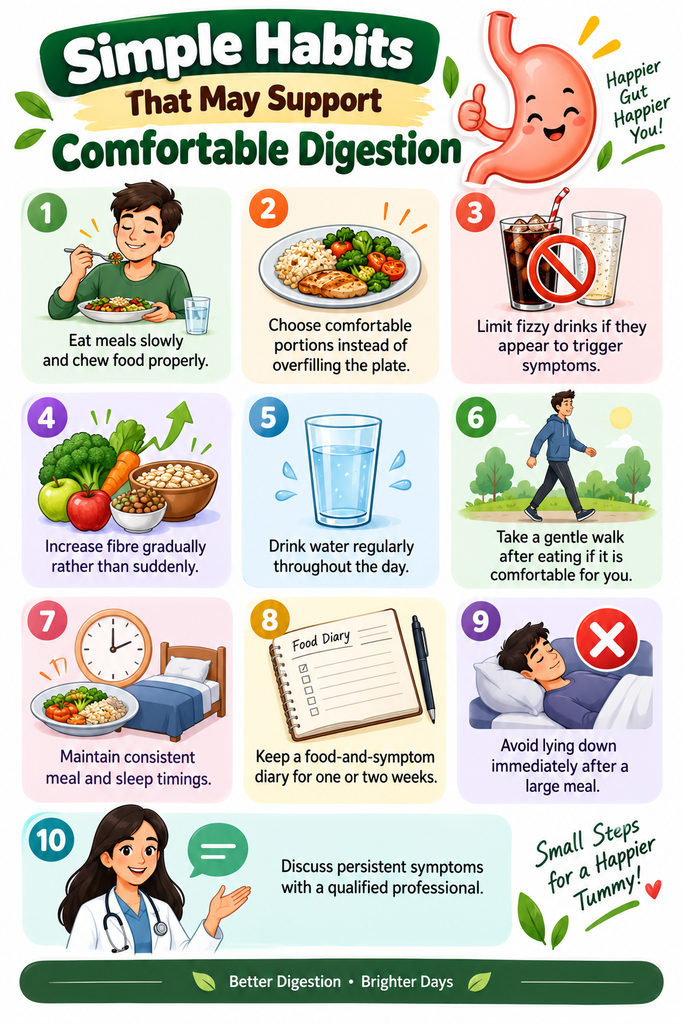
Small, consistent changes are generally more practical than an extreme digestive “detox.” Try these habits one at a time:
- Eat meals slowly and chew food properly.
- Choose comfortable portions instead of overfilling the plate.
- Limit fizzy drinks if they appear to trigger symptoms.
- Increase fibre gradually rather than suddenly.
- Drink water regularly throughout the day.
- Take a gentle walk after eating if it is comfortable for you.
- Maintain consistent meal and sleep timings.
- Keep a food-and-symptom diary for one or two weeks.
- Avoid lying down immediately after a large meal.
- Discuss persistent symptoms with a qualified professional.
Changing everything at once can make it difficult to identify what actually helped. Introduce one or two habits, observe the results and then decide what to adjust next.
Should You Use an Ayurvedic Digestive Product?
Rama Arogya Pharmacy’s digestion category includes Kadamzyme Syrup, Kadpachan Syrup, Vayuhar Churna and Daily Fresh Churna. These products should only be presented according to their approved labels and actual ingredients.
Before using any digestive product, read its label carefully and follow the recommended directions. Ask a qualified doctor or pharmacist for guidance if you are pregnant, breastfeeding, treating a child, taking prescription medicines or living with a long-term health condition.
A supplement or Ayurvedic medicine should not be promoted as a guaranteed cure for persistent bloating. Its role, precautions and suitability depend on its licensed formulation and the individual using it.
When Should You Consult a Doctor?
Seek medical advice if bloating is frequent, continues despite basic dietary changes or interferes with your daily routine.
Consult a healthcare professional promptly if bloating occurs with:
- Severe or persistent abdominal pain
- Repeated vomiting
- Fever
- Blood in the stool
- Unexplained weight loss
- Loss of appetite
- Persistent diarrhoea
- A major change in bowel habits
- Feeling full after eating very little
These symptoms do not always indicate a serious illness, but they should be properly assessed. Healthdirect Australia similarly advises medical review when bloating persists or appears with symptoms such as severe pain, vomiting, blood in the stool, appetite loss or unintended weight loss.
Frequently Asked Questions
Why do I feel bloated immediately after eating?
Eating quickly, swallowing air, consuming a large meal or drinking a fizzy beverage may produce immediate fullness or pressure. If it happens regularly, record the foods, portions and accompanying symptoms and discuss the pattern with a professional.
Can healthy food cause bloating?
Yes. Beans, lentils, vegetables and high-fibre foods can produce more gas in some people, especially when fibre intake rises suddenly. That does not make these foods unhealthy. Portion size and gradual introduction may improve tolerance.
Does drinking water reduce bloating?
Regular hydration can support normal digestion and bowel movements, particularly when you consume fibre. However, water is not a treatment for every cause of bloating.
Is bloating the same as indigestion?
Not exactly. Bloating describes fullness, pressure or swelling. Indigestion may include upper-abdominal pain or burning, early fullness, nausea, belching and bloating. The two can occur together.
How can I find my food triggers?
Keep a diary recording meals, portions, timing and symptoms. Change only one factor at a time. If you suspect a significant intolerance, consult a qualified doctor or dietitian before removing a major food group.
Final Thoughts
Bloating after eating is often influenced by meal size, eating speed, swallowed air, fibre intake, constipation or individual food tolerance. A slower eating pace, moderate portions, adequate water and a simple food diary may help reveal useful patterns.
However, recurring bloating should not be ignored or covered up repeatedly with self-treatment. Understanding the cause is more valuable than chasing a quick fix. If the symptoms persist or occur with warning signs, seek professional medical advice.
Disclaimer: This article is for general educational purposes only. It does not diagnose, treat, cure or prevent any disease and is not a substitute for professional medical advice.